
Tree Removal:
Balancing Conservation and Environmental Benefits
Trees are invaluable contributors to the health and well-being of our planet. They provide us with oxygen, reduce air pollution, and offer habitat to countless species. However, there are certain situations where tree removal becomes necessary. While tree removal may seem contradictory to environmental preservation, there are instances where it can bring about benefits to the environment. In this article, we will explore the various scenarios where tree removal can have positive impacts on the ecosystem.
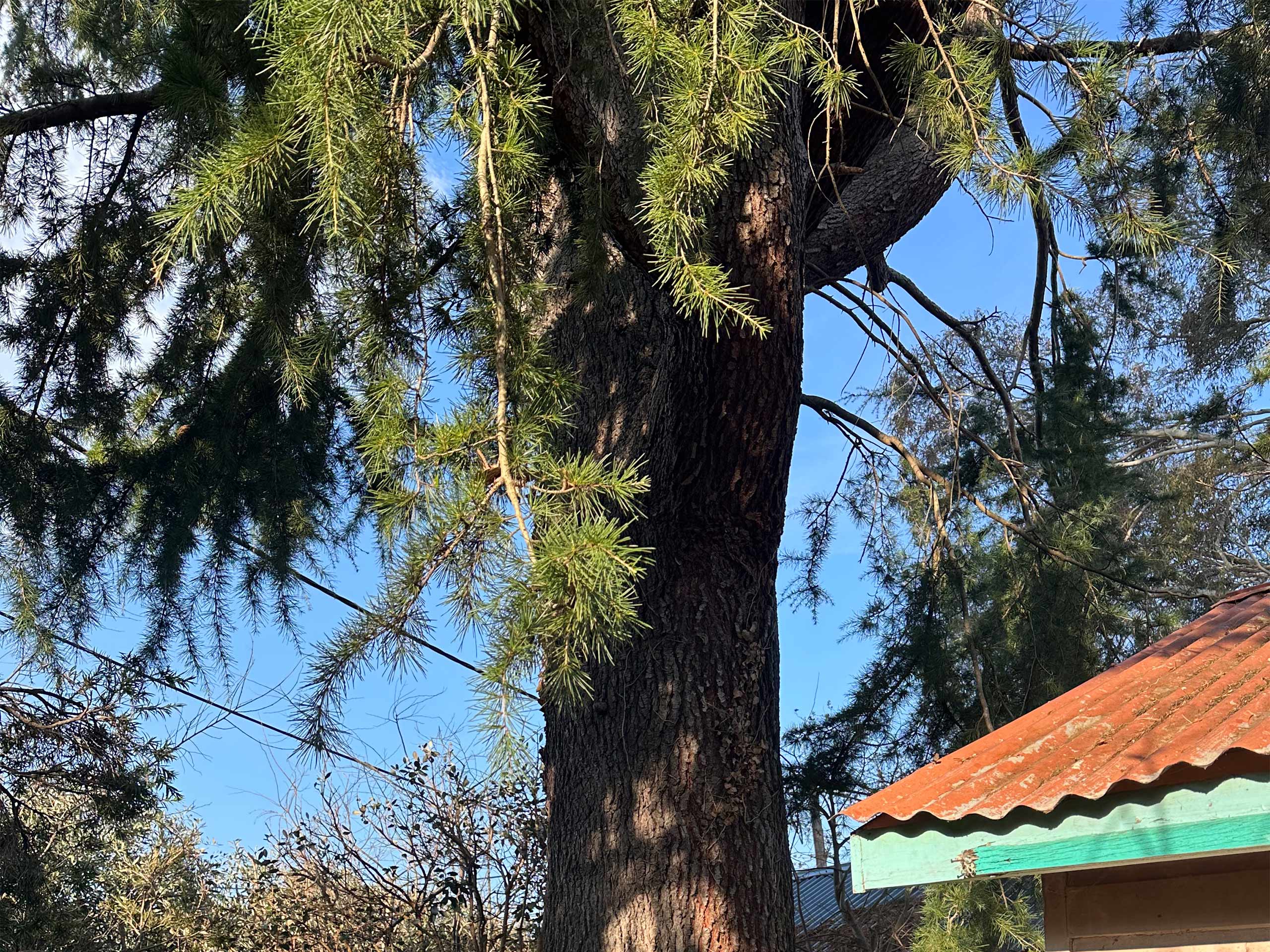
Hazardous Trees:
Trees that are diseased, dead, or structurally compromised pose significant risks to human safety and property.
Removing such trees ensures the prevention of potential accidents, damage to structures, and injury to individuals.
By eliminating hazardous trees, we safeguard human lives and prevent extensive property damage.

Invasive Species Management:
Some tree species, when introduced to a new ecosystem, can become invasive and outcompete native vegetation.
This disrupts the delicate balance of the ecosystem and threatens biodiversity.
Removing invasive tree species helps restore native flora and fauna, allowing the ecosystem to regain its natural equilibrium.
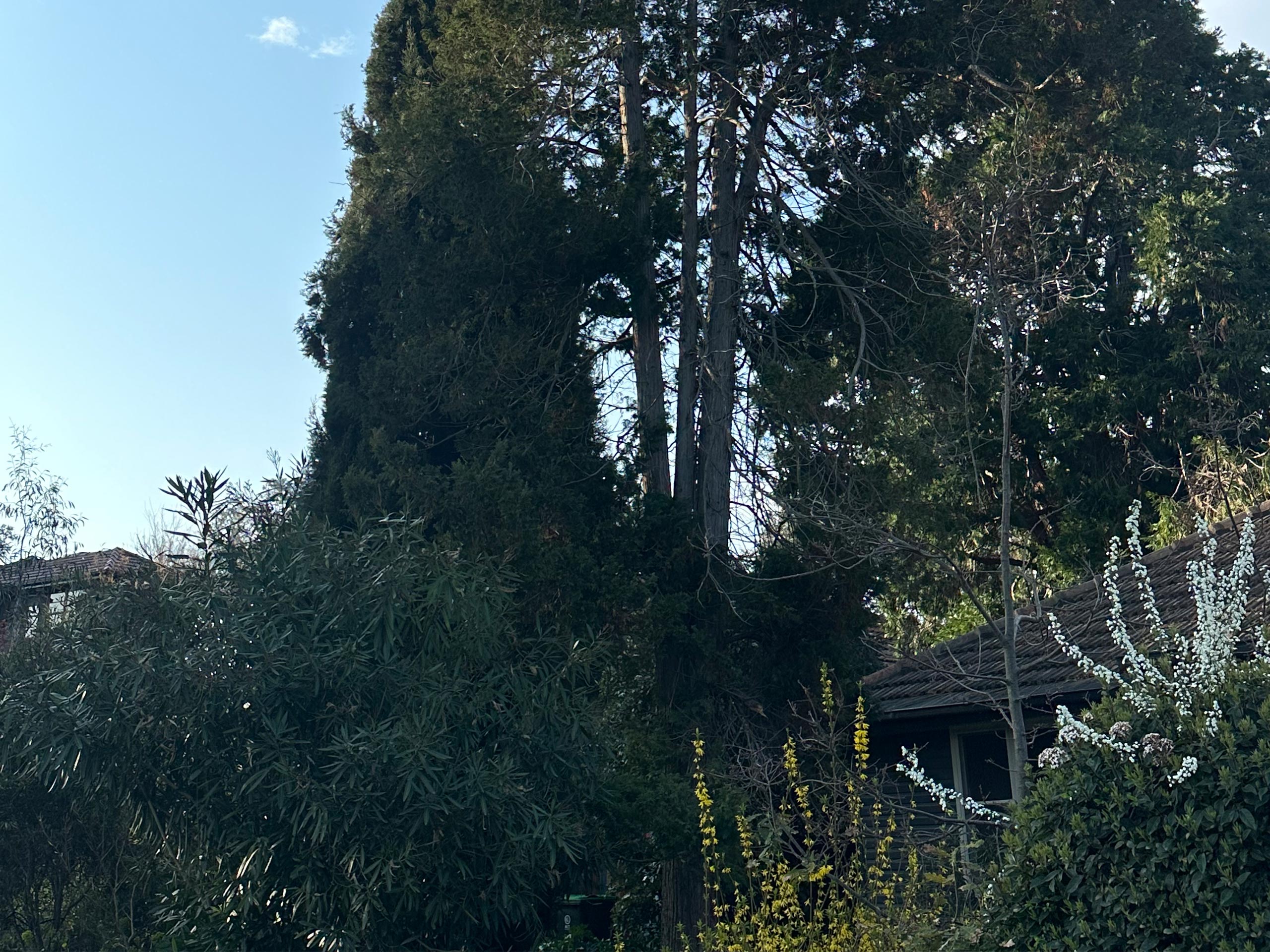
Forest Health Management:
In cases where forests are impacted by disease outbreaks or pest infestations, targeted tree removal can be crucial in controlling the spread.
Removing infected or infested trees limits the damage and helps prevent further devastation of the surrounding forest.
This proactive measure protects the overall health and resilience of the forest ecosystem.
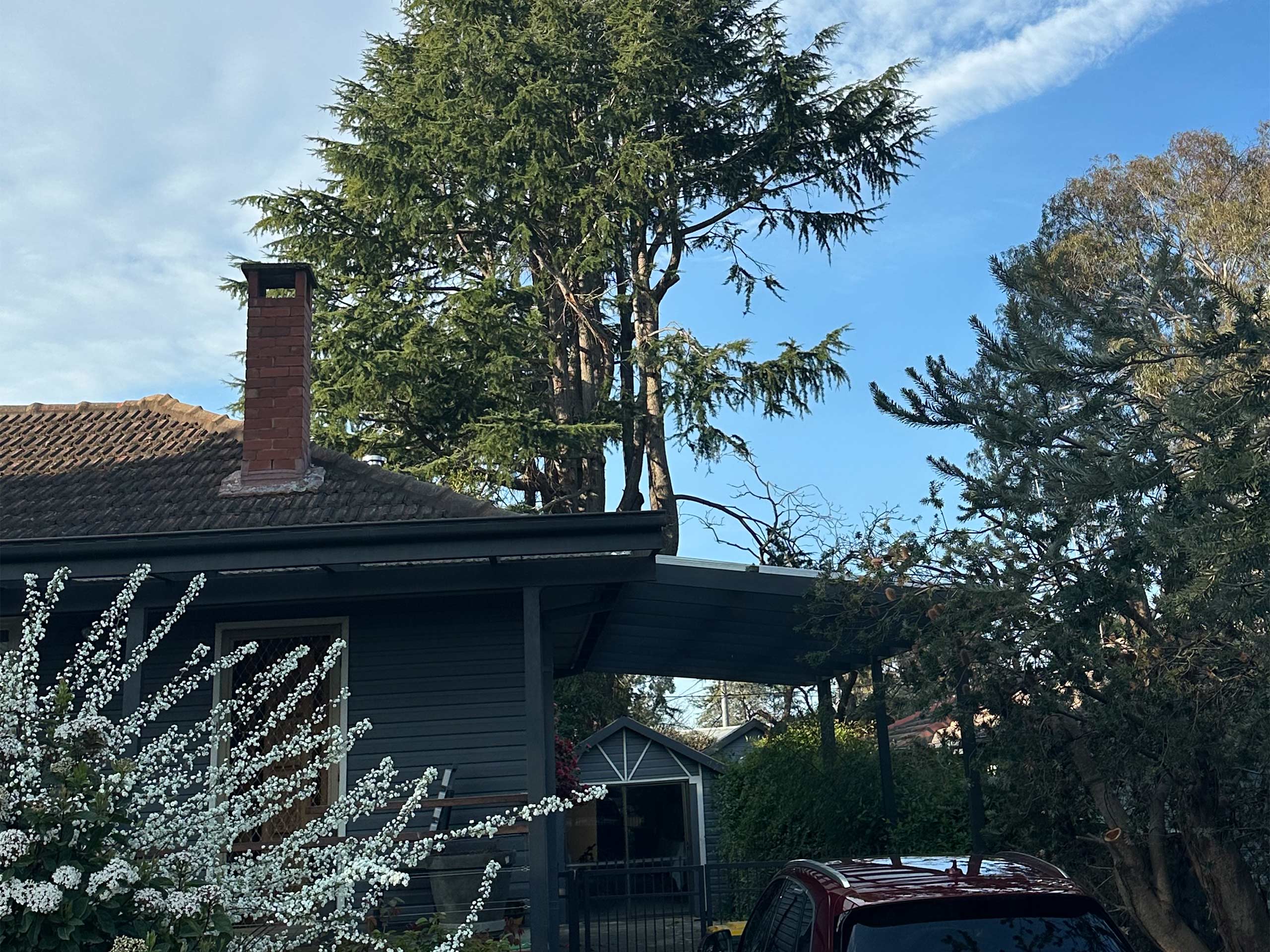
Urban Planning and Development:
As cities grow and expand, tree removal becomes necessary to accommodate new infrastructure, such as roads, buildings, and utilities.
Strategic tree removal allows for urban planning, ensuring a balance between development and environmental conservation.
Additionally, replacing removed trees with new plantings can help mitigate the environmental impact and maintain green spaces.

Reforestation Initiatives:
In some cases, selective tree removal is part of larger reforestation projects.
By removing specific trees, such as fast-growing but less diverse species, forest managers can create space for the growth of more resilient and diverse trees.
This promotes a healthier forest ecosystem, enhances biodiversity, and improves long-term sustainability.